Start with our Design Me Now team at
90 W. Afton Ave., Suite 101
Yardley, PA 19067
M-F 10-5
Sat 10-3
Sun 10-2




Glossary
Remodeling comes with a lot of new terms, and it can feel overwhelming fast. This glossary is designed to keep things simple. We explain the words you will hear throughout your project so you can make informed decisions without the confusion.

Cabinetry Glossary (A–Z) A Adjustable Shelves – Shelves that can be repositioned vertically using shelf pins to accommodate different storage needs. All-Plywood Construction – Cabinet boxes made entirely from plywood rather than particleboard or MDF for increased strength and durability. Appliance Garage – A cabinet with a lift-up or roll-up door designed to conceal small appliances on a countertop. B Back Panel – The rear panel of a cabinet box that adds rigidity and structural support. Base Cabinet – Floor-mounted cabinets that support countertops and typically house sinks, appliances, or drawers. Beaded Inset – An inset cabinet style featuring a decorative bead detail around the inside edge of the face frame. Blind Corner Cabinet – A cabinet designed to access corner spaces where a standard cabinet cannot fully open. C Cabinet Box (Carcass) – The main structure of the cabinet, including the sides, top, bottom, and back. Cabinet Grade Plywood – Plywood manufactured specifically for cabinetry, offering consistent thickness and fewer voids. Concealed Hinges – Hinges hidden from view when the cabinet door is closed; also called European hinges. Custom Cabinetry – Cabinets built to exact specifications with unlimited sizing, finishes, and configurations. D Dado Joint – A groove cut into wood to securely hold shelves or cabinet panels. Decorative End Panel – A finished panel applied to the exposed side of a cabinet run for a built-in appearance. Dovetail Joinery – Interlocking joints commonly used in drawer boxes for superior strength and longevity. E Edge Banding – A thin strip of material applied to exposed plywood or MDF edges for a finished look. End Panel – A panel used to finish the exposed side of a cabinet run. Extended Stile – A door stile that extends beyond the cabinet box to create a flush, built-in look. F Face Frame – The solid wood frame attached to the front of the cabinet box, providing structure and door mounting points. Flat Panel Door – A cabinet door with a flat center panel, common in modern and shaker styles. Frameless Cabinetry – Cabinets constructed without a face frame, also known as European-style cabinets. Full Overlay – A door style where doors and drawers fully cover the cabinet face frame. G Gable – The vertical side panels of a cabinet box. Glaze – A semi-transparent finish applied over paint or stain to highlight door details. Grain Direction – The orientation of wood grain, which affects appearance and consistency across cabinetry. H Hinge Overlay – The amount of cabinet frame covered by the door when closed. Hardware – Functional and decorative components such as knobs, pulls, hinges, and drawer slides. Hardwood – Wood from deciduous trees (such as maple or oak) commonly used in cabinet doors and face frames. I Inset Cabinetry – A cabinet style where doors and drawers sit flush inside the face frame opening. Integrated Toe Kick – A recessed space at the bottom of base cabinets that allows comfortable standing at countertops. J Joinery – The method used to connect cabinet components, impacting strength and durability. K KD (Knock-Down) Cabinet – Cabinets shipped flat and assembled on site. Kitchen Work Triangle – The efficient relationship between the sink, stove, and refrigerator. L Lazy Susan – A rotating shelf system used in corner cabinets for improved accessibility. Light Rail Molding – Trim installed beneath wall cabinets to conceal under-cabinet lighting. M MDF (Medium Density Fiberboard) – An engineered wood product commonly used for painted cabinet doors. Mitre Joint – A joint where two pieces meet at an angle, typically 45 degrees. Molding – Decorative trim pieces used at cabinet tops, bottoms, or transitions. N Natural Finish – A clear or lightly tinted finish that highlights the natural wood grain. Nose (Countertop Overhang) – The projection of the countertop beyond the cabinet face. O Overlay – The way cabinet doors sit over the cabinet frame (full, partial, or inset). Open Shelving – Shelves without doors used for display or frequently accessed items. P Particleboard – An engineered wood product made from compressed wood particles; commonly used in budget cabinetry. Plywood Box – A cabinet box constructed with plywood panels for improved durability. Pull-Out Organizer – A sliding storage accessory for items like trash, spices, or trays. Q Quarter-Sawn Wood – Lumber cut to produce straight grain patterns and increased stability. R Raised Panel Door – A cabinet door with a contoured center panel, common in traditional designs. Roll-Out Shelf – A sliding shelf installed inside base cabinets for easier access. S Shaker Door – A five-piece door style with a flat center panel and clean lines. Soft-Close Hinges – Hinges designed to gently pull doors closed, preventing slamming. Stain Grade – Wood suitable for staining, selected for consistent grain and color. T Thermofoil – A vinyl finish heat-wrapped over MDF doors for a smooth, seamless look. Toe Kick – The recessed area at the bottom of base cabinets. Tall Cabinet – Floor-to-ceiling cabinets used for pantries or appliance storage. U Undermount Drawer Slides – Drawer slides mounted beneath the drawer box for a clean appearance and smooth operation. V Veneer – A thin layer of real wood applied to a substrate for appearance and stability. W Wall Cabinet – Cabinets mounted above countertops for storage. Waterfall Panel – A finished side panel that extends from the countertop to the floor for a seamless look. Wood Species – The type of wood used, such as maple, oak, cherry, or birch. Y Yield – The usable amount of material obtained from raw lumber during cabinet production.
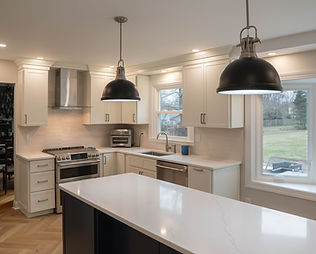
Kitchen Glossary (A–Z) A Adjacent Zones – Kitchen areas placed near each other based on function, such as prep next to cooking. Aisle Width – The walking space between cabinets, islands, or appliances, critical for comfort and code compliance. B Breakfast Nook – A designated casual dining area connected to or within the kitchen. Built-In Seating – Benches or banquettes integrated into the kitchen layout. C Clearance Zone – Required open space around appliances, walkways, or doors to ensure usability. Cook Zone – The area of the kitchen dedicated to cooking tasks, typically centered around the range. Corner Radius – The curvature applied to island or peninsula corners for safety and flow. D Dead Space – Unusable areas created by poor layout planning, often in corners or narrow gaps. Design Load – The combined functional demand placed on a kitchen layout based on usage and traffic. E Ergonomic Layout – A kitchen design that minimizes bending, reaching, and excessive movement. Exhaust Capacity – The airflow rating required to properly ventilate cooking fumes and heat. F Flow Pattern – How people move through the kitchen during daily use. Functional Triangle – A planning principle focused on efficient movement between key work areas. G Galley Kitchen – A narrow kitchen layout with parallel counters on opposite sides. Grease Capture Area – The effective zone where a ventilation system collects airborne grease. H Heat Zone – Areas exposed to higher temperatures, influencing material and appliance placement. Hub Kitchen – A kitchen designed as the primary gathering space of the home. I Island Seating Depth – The required countertop extension to allow comfortable seating at an island. Integrated Planning – Designing appliances, storage, and work areas as a single coordinated system. J Joint Use Space – A kitchen area designed to support multiple users at the same time. K Kitchen Core – The central working area where most daily tasks occur. Kick Space Clearance – The recessed lower area that allows comfortable standing at counters. L Landing Space – Counter area adjacent to appliances used for setting down items safely. Linear Kitchen – A layout where all elements are arranged along one wall. M Multi-User Kitchen – A kitchen planned to accommodate more than one cook simultaneously. Material Transition – Where different finishes or surfaces meet within the kitchen. N Negative Space – Intentional open areas used to balance visual weight and prevent overcrowding. Noise Control – Design considerations that reduce appliance and ventilation sound. O Open Concept – A kitchen design that flows into surrounding living spaces without full walls. Operational Zone – Any area actively used for cooking, prep, or cleaning. P Peninsula Layout – A kitchen configuration where a counter extends from a wall, creating partial enclosure. Prep Sink – A secondary sink dedicated to food preparation tasks. Q Quiet Close System – Integrated mechanisms that reduce noise during daily kitchen use. R Reach Range – The comfortable vertical and horizontal distance a user can access without strain. Refacing Scope – The extent to which a kitchen can be updated without full replacement. S Sightline Planning – Designing layouts that preserve visual openness and focal points. Storage Density – The amount of usable storage within a given footprint. Surface Continuity – Visual consistency across countertops, backsplashes, and adjacent areas. T Traffic Path – Primary walkways through the kitchen that should remain unobstructed. Task Segmentation – Separating kitchen activities into clearly defined areas. U Utility Wall – A wall housing major services such as plumbing, electrical, and ventilation. V Ventilation Zone – The area influenced by airflow from kitchen exhaust systems. Visual Balance – Even distribution of design elements to avoid heavy or crowded areas. W Workstation Sink – A sink designed to support multiple tasks with integrated accessories. Workflow Efficiency – How smoothly tasks can be completed without unnecessary steps. Y Yield Space – The usable functional area achieved after accounting for clearances and appliances.

Laundry Room Glossary (A–Z) A Agitator – A central spindle in some washers that moves clothes to aid cleaning. Auto-Dispense – A system that releases detergent automatically based on load size. B Balanced Load – Evenly distributed laundry that reduces vibration during cycles. Bleach Port – A designated compartment for adding bleach safely during wash cycles. C Capacity Rating – The maximum amount of laundry a machine can handle per cycle. Cold Wash Cycle – A wash setting that uses unheated water to protect fabrics and save energy. D Detergent Concentration – The strength of detergent, affecting how much should be used. E Energy Star Certification – A designation for appliances that meet energy-efficiency standards. Extraction Speed – How fast a washer spins to remove water from clothing. F Fabric Softener Dispenser – A compartment that releases softener at the correct time. Filter Screen – A mesh component that traps lint, debris, or residue. G Gentle Tumble – A low-impact dryer motion used for sensitive fabrics. Graywater Output – Wastewater produced during washing. H Heat Pump Dryer – A dryer that uses recycled heat instead of venting hot air outside. High-Speed Spin – A fast rotation cycle that shortens drying time. I Impeller – A low-profile wash mechanism that moves clothes without a traditional agitator. Internal Heater – A built-in element that heats water independently of household supply. J Jet Spray Rinse – Targeted water jets used to improve rinsing performance. K Kink-Free Hose – A flexible water hose designed to maintain steady flow. L Lint Accumulation – The buildup of fibers removed from clothing during drying. Load Sensing – Technology that detects laundry weight to adjust water and cycle time. M Moisture Sensor – A dryer feature that detects dampness and stops the cycle when clothes are dry. Manual Cycle Selection – User-controlled wash or dry settings. N Normal Cycle – A standard wash setting for everyday clothing. Neutral Drain – A process where water drains before spinning begins. O Overdry Protection – A feature that prevents excessive heat exposure. Odor Control Cycle – A setting designed to reduce trapped smells in fabrics. P Pre-Soak – A cycle option that loosens stains before washing begins. Pump Assembly – The component that moves water in and out of the washer. Q Quick Wash – A shortened cycle for lightly soiled loads. R Residual Moisture – The amount of water left in clothes after spinning. Rinse Hold – A setting that pauses after rinsing to prevent wrinkles. S Soil Level Selection – Adjusting wash intensity based on dirtiness. Steam Assist – Steam used to reduce wrinkles or sanitize fabrics. Sudsing Level – The amount of foam produced during washing. T Timed Dry – A dryer cycle set for a fixed duration rather than moisture sensing. Tumble Direction Reversal – Alternating drum direction to prevent tangling. U Unbalanced Load Detection – A system that senses uneven loads and adjusts spinning. V Ventless Drying – Drying technology that does not require external exhaust. Vibration Control – Systems that stabilize machines during operation. W Wash Action – The movement pattern used to clean clothes. Water Factor – A measurement of water efficiency per cycle. Y Yield Efficiency – How effectively a cycle cleans and dries while minimizing energy and water use.

Countertop Glossary (A–Z) A Apron Front – A countertop edge that extends down the front of cabinetry, commonly used with farmhouse sinks. Aggregate – Crushed stone or materials embedded in surfaces like concrete or terrazzo countertops. B Backsplash – A vertical surface behind countertops that protects walls from moisture and splashes. Beveled Edge – A countertop edge with a slight angled cut for added detail. Bookmatching – Installing slabs so the veining mirrors itself across seams for a dramatic, symmetrical look. C Chiseled Edge – A rough, natural-looking edge typically used on stone countertops. Concrete Countertop – A custom-poured surface made from cement, aggregates, and pigments. Cutout – A hole fabricated into the countertop for sinks, cooktops, or faucets. D Dekton – An ultra-compact surface made from a blend of raw materials used in glass, porcelain, and quartz surfaces. Drop-In Sink – A sink that sits on top of the countertop with a visible rim. Dual Finish – Using different surface finishes (polished and honed) on the same countertop. E Edge Profile – The shape of the countertop edge, such as eased, bullnose, or ogee. Eased Edge – A simple, slightly rounded edge that prevents sharp corners. Epoxy Seam – Adhesive used to join countertop sections seamlessly. F Fabrication – The process of cutting, shaping, and finishing countertop slabs. Full Height Backsplash – Backsplash material that extends from countertop to upper cabinets. Fissure – A natural separation in stone that does not compromise structural integrity. G Granite – A natural stone countertop known for durability and unique veining. Grout – Material used to fill joints between tiles. Gusset Support – Reinforcement used beneath countertops with extended overhangs. H Honed Finish – A matte or satin finish with minimal shine. Heat Resistance – A surface’s ability to withstand hot cookware without damage. Honed Marble – Marble with a smooth, non-polished finish that shows fewer reflections. I Integrated Sink – A sink made from the same material as the countertop for a seamless look. Island Overhang – The portion of countertop extending beyond cabinetry for seating. J Joint – Where two sections of countertop meet. K Kerf Cut – Precision cuts made to allow stone to bend or reduce stress. Knife Edge – A modern edge profile that tapers to a thin appearance. L Laminate Countertop – A budget-friendly surface made from layers of paper and resin bonded to a substrate. Leathered Finish – A textured stone finish with a soft sheen and natural feel. Lippage – Slight height differences between adjacent surfaces or tiles. M Marble – A natural stone prized for elegance and veining, softer than granite. Mitered Edge – An edge created by joining two pieces at an angle to give the appearance of thickness. Modular Slab – Pre-sized slabs manufactured for consistent installations. N Natural Stone – Materials such as granite, marble, quartzite, and soapstone. Nosing – The front edge of a countertop that extends past the cabinet face. O Overhang – The portion of the countertop that extends beyond cabinetry or supports. Ogee Edge – A decorative S-shaped edge profile. P Polished Finish – A high-gloss finish that enhances color and veining. Porcelain Slab – A thin, durable surface made from refined clay fired at high temperatures. Prefabricated Slab – Countertops cut to standard sizes with finished edges. Q Quartz – An engineered stone made from natural quartz and resins, low maintenance and consistent in appearance. Quartzite – A natural stone similar in appearance to marble but harder and more durable. R Radius Corner – A rounded countertop corner for safety and softer aesthetics. Resin – A binding agent used in engineered surfaces like quartz. Reveal – The amount of cabinet face visible beneath the countertop edge. S Sealer – A protective coating applied to natural stone to prevent staining. Seam – The joint where two countertop sections meet. Slab – A large, flat piece of stone or engineered material used for countertops. Soapstone – A natural stone with a smooth feel and excellent heat resistance. Substrate – The base material beneath a countertop surface. T Template – A precise pattern created to ensure accurate countertop fabrication. Thickness – The depth of the countertop material, commonly 2cm or 3cm. Tile Countertop – A surface made from individual tiles set over a substrate. U Undermount Sink – A sink installed beneath the countertop for a clean edge and easy cleaning. V Veining – Natural or designed patterns that run through stone or engineered surfaces. Void – Natural cavities found in stone, often filled during fabrication. W Waterfall Edge – A countertop style where the surface continues vertically down the sides of cabinetry. Wear Resistance – How well a surface withstands daily use over time. Y Yield – The usable material obtained from a slab after fabrication.

Bathroom Glossary (A–Z) A ADA Clearance – Design standards that ensure accessibility, including wider clearances and reach ranges. Air Gap – A plumbing safety feature that prevents contaminated water from flowing back into clean supply lines. B Backer Board – A moisture-resistant substrate installed behind tile in wet areas. Barrier-Free Shower – A shower with no curb, allowing seamless floor entry. Body Spray – A wall-mounted shower feature that provides horizontal water flow. C Center Drain – A shower drain positioned in the middle of the shower floor. Comfort Height Toilet – A taller toilet designed to be easier to sit on and stand from. Condensation Resistance – A fixture’s ability to reduce moisture buildup on surfaces. D Diverter Valve – A plumbing component that redirects water between multiple outlets, such as a tub spout and showerhead. Double Vanity – A bathroom vanity designed for two users with separate sinks. E Exhaust Fan – A ventilation device that removes humidity and odors from the bathroom. Enclosure Panel – Fixed glass or solid panels used to contain water in showers or tubs. F Floating Vanity – A wall-mounted vanity that leaves floor space visible beneath. Floor Slope – The slight pitch designed to guide water toward a drain. G Grab Bar – A mounted support bar that improves safety and stability. Grout Line – The joint between tiles filled with grout for stability and water resistance. H Handheld Shower – A detachable showerhead that offers flexible water control. Humidity Sensor – A device that automatically activates ventilation when moisture levels rise. I In-Wall Tank – A concealed toilet tank installed within the wall for a streamlined appearance. Integrated Lighting – Lighting built directly into mirrors or cabinetry. J Jet System – Water or air jets used in soaking or whirlpool tubs. K Knee Wall – A short wall often used to support glass panels or define shower areas. L Linear Drain – A long, narrow shower drain typically placed along a wall or threshold. Low-Flow Fixture – Plumbing fixtures designed to reduce water usage without sacrificing performance. M Medicine Cabinet – A wall-mounted storage unit, often recessed, used for personal items. Moisture Rating – A classification indicating how well materials tolerate wet environments. N Niche – A recessed shelf built into shower walls for storage. Non-Slip Surface – Flooring or tub finishes designed to reduce slipping hazards. O Overflow Drain – A secondary opening in tubs or sinks that prevents water from spilling over. Open Shower – A shower design without a door, relying on layout and drainage for water control. P Pedestal Sink – A freestanding sink supported by a column, often used in small bathrooms. Pressure Balance Valve – A valve that maintains consistent water temperature during use. Q Quiet Fan Rating – A measurement of how quietly a bathroom exhaust fan operates. R Rain Showerhead – An overhead shower fixture that mimics natural rainfall. Recessed Storage – Built-in storage set into walls to save space. S Soaking Tub – A bathtub designed for deeper water and extended bathing. Steam Shower – An enclosed shower system that generates steam for spa-like use. Subfloor Protection – Materials and treatments used to prevent moisture damage beneath finished flooring. T Thermostatic Valve – A valve that allows users to set and maintain a specific water temperature. Threshold – The transition point at the entry of a shower or wet area. U Underfloor Heating – Radiant heat is installed beneath bathroom flooring for comfort. V Vent Stack – A vertical pipe that regulates air pressure in plumbing systems. Vapor Barrier – A material used to prevent moisture from penetrating walls or floors. W Wall-Hung Toilet – A toilet mounted to the wall with the bowl suspended above the floor. Wet Room – A fully waterproofed bathroom where the shower area is open and integrated. Y Yield Space – The usable floor area remaining after fixtures, clearances, and walls are accounted for.

Remodeling Terms Glossary (A–Z) A Allowance A set budget for items not selected yet, like tile or lighting. Final cost depends on what you choose. As-Built Drawings Updated plans that show what was actually built, including any changes made during the project. B Backsplash Material installed on the wall behind countertops to protect from water, grease, and daily use. Blocking Hidden support installed inside walls to securely mount items like cabinets or shelves. Bulkhead (Soffit) A boxed area above cabinets used to hide ductwork, plumbing, or wiring. C Cabinet Box The main structure of a cabinet, not including doors or drawer fronts. Caulking A flexible seal used to close gaps and prevent water or air from getting through. Change Order A written adjustment to the project after work has started, usually affecting cost or timeline. D Demo (Demolition) The removal of existing materials before new construction begins. Drywall Panels used to form interior walls and ceilings before finishing and painting. E Edge Profile The shape of a countertop edge, such as square, beveled, or rounded. Elevation (Drawing) A flat drawing showing one side of a space, like a cabinet wall or vanity layout. F Finish Carpentry Detailed woodwork like trim, molding, and cabinet installation that completes the space. Framing The structural framework that supports walls, floors, and ceilings. G General Contractor The person or company overseeing the entire remodel, coordinating all work and trades. Grout Material used to fill the joints between tiles. H Honed Finish A smooth, matte surface commonly used on stone or tile. HVAC Heating, ventilation, and air conditioning systems in the home. I Inspection A required review by a local authority to ensure work meets building codes. Island Overhang The portion of a countertop that extends beyond cabinets to allow for seating. J Joist A horizontal structural beam that supports floors or ceilings. Joint Compound Material used to smooth and finish drywall seams before painting. K Kerf Cut A small cut made in wood or material to allow for bending or adjustments. Knockdown Texture A drywall finish with a soft, slightly flattened texture. L Lead Time The time it takes for materials to arrive after they are ordered. Leveling Adjusting surfaces like floors or cabinets so they are perfectly even. M Millwork Custom wood elements like cabinetry, trim, and built-ins. Miter Joint A corner joint where two pieces meet at an angle, often used in trim or countertops. N Non-Load-Bearing Wall A wall that does not support the structure above it and is easier to remove. Nosing The front edge of stairs or countertops that slightly extends outward. O Open Shelving Shelves without doors, used for easy access or display. Overlay (Cabinetry) How much the cabinet door covers the frame. Full overlay gives a more modern look. P Permit Approval from the local township required before certain types of work can begin. Plumb Perfect vertical alignment. Punch List A list of final items that need to be completed or corrected before the project is finished. Q Quartz An engineered countertop material made from natural quartz and resin. Quarter Round Small trim molding used to cover gaps where flooring meets walls or cabinets. R Reveal The visible portion of a cabinet frame or trim detail. Rough-In The stage where plumbing, electrical, and HVAC are installed before walls are closed. S Shimming Using thin materials to adjust and level cabinets or fixtures. Soft Close A feature that allows drawers and doors to close slowly and quietly. Subfloor The structural layer underneath finished flooring. T Toe Kick The recessed space at the bottom of cabinets where your feet naturally rest. Trade (Subcontractor) A specialist hired for a specific task, like plumbing, electrical, or tile work. U Underlayment A layer installed between the subfloor and finished flooring for support and moisture protection. Undermount Sink A sink installed beneath the countertop for a clean look and easier cleanup. V Veneer A thin layer of real wood applied over another material for appearance. Vertical Grain Wood grain that runs up and down, often used in modern designs. W Waterfall Edge A countertop that continues vertically down the side of an island. Work Triangle The ideal layout distance between sink, stove, and refrigerator for efficient movement. X X-Bracing Structural support used in framing to increase stability. (eXtra Costs) Unexpected expenses that can come up during a remodel, often due to hidden conditions. Y Yield (Material Coverage) The amount of area a material will cover, important when ordering. Yield Loss Material wasted during cutting or installation. Z Zero Clearance Appliance An appliance designed to fit tightly within cabinetry. Zoning (Electrical) Dividing electrical systems into separate sections for safety and efficiency.